A visitor's guide to the best monasteries in Ladakh – Thiksey, Hemis, Lamayuru, Mulbekh, Alchi, Diskit and others – with notes on what to see, how to group visits by route, festivals and respectful etiquette.
Monasteries – known locally as gompas – are at the heart of Ladakhi life. Many stand on rocky outcrops above villages, with whitewashed buildings stacked up the hillside, prayer flags snapping in the wind and old murals inside dimly lit halls. This guide to the best monasteries in Ladakh covers the ones most visitors can reach, what makes each one special, and how to visit respectfully.
Opening hours, entry fees and photography rules vary between monasteries and can change. Check locally before you go.
What you will see inside a gompa
Knowing a little about a monastery's layout makes a visit far more rewarding:
- Dukhang (assembly hall): the main prayer hall, where monks gather to chant. Rows of low seats face the altar.
- Lhakhang (temples): smaller chapels dedicated to particular deities or teachers.
- Gonkhang: a shrine to protector deities, often dark and atmospheric. Some are closed to women or to all visitors – follow posted signs.
- Thangkas and murals: painted scrolls and wall paintings depicting deities, teachers and the wheel of life.
- Prayer wheels, chortens and mani walls: found around the complex; walk past them clockwise.
Ladakh's Buddhist schools in brief
Ladakh's monasteries belong to different schools of Tibetan Buddhism, each with its own history and leaders. You do not need to know the details to enjoy a visit, but it helps explain why monasteries look and feel different.
| School | Examples in Ladakh |
|---|---|
| Gelug | Thiksey, Spituk, Likir, Diskit |
| Drukpa Kagyu | Hemis, Chemrey, Hanle, Stakna |
| Drikung Kagyu | Lamayuru, Phyang |
| Sakya | Matho |
How to plan your monastery visits
Ladakh's monasteries fall into natural clusters along the main routes, which makes them easy to group:
- South-east of Leh (Indus valley): Shey, Thiksey, Hemis, Stakna, Matho.
- West of Leh (Srinagar highway): Spituk, Phyang, Likir, Basgo, Alchi, Rizong, Lamayuru, Mulbekh.
- Nubra Valley: Diskit, Samstanling, Hunder.
- Eastern Ladakh: Chemrey, Takthok, Hanle, Karzok.
Plan one or two monasteries per half-day. Many involve climbing steps, which is tiring in your first days at altitude.
Thiksey Monastery
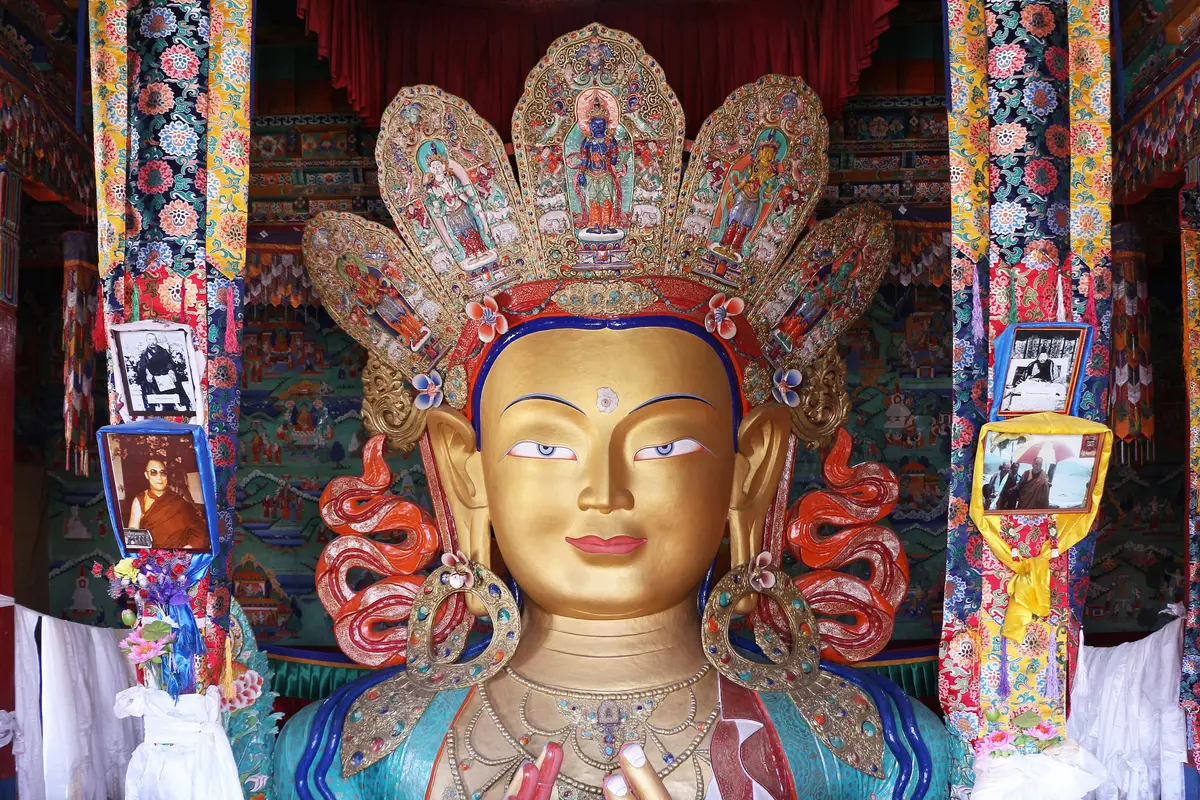
Thiksey Monastery rises in tiers up a hill above the Indus, about 20 km south-east of Leh. Its layout is often compared to the Potala Palace in Lhasa. It belongs to the Gelug school.
- Maitreya statue: a large seated statue of the future Buddha occupies two storeys in a dedicated temple. The statue is about 15 m tall and dates from around 1980.
- Morning prayers: visitors can sometimes attend early prayers.
- Views: the roof terrace looks over the Indus valley and Stok range.
Hemis Monastery
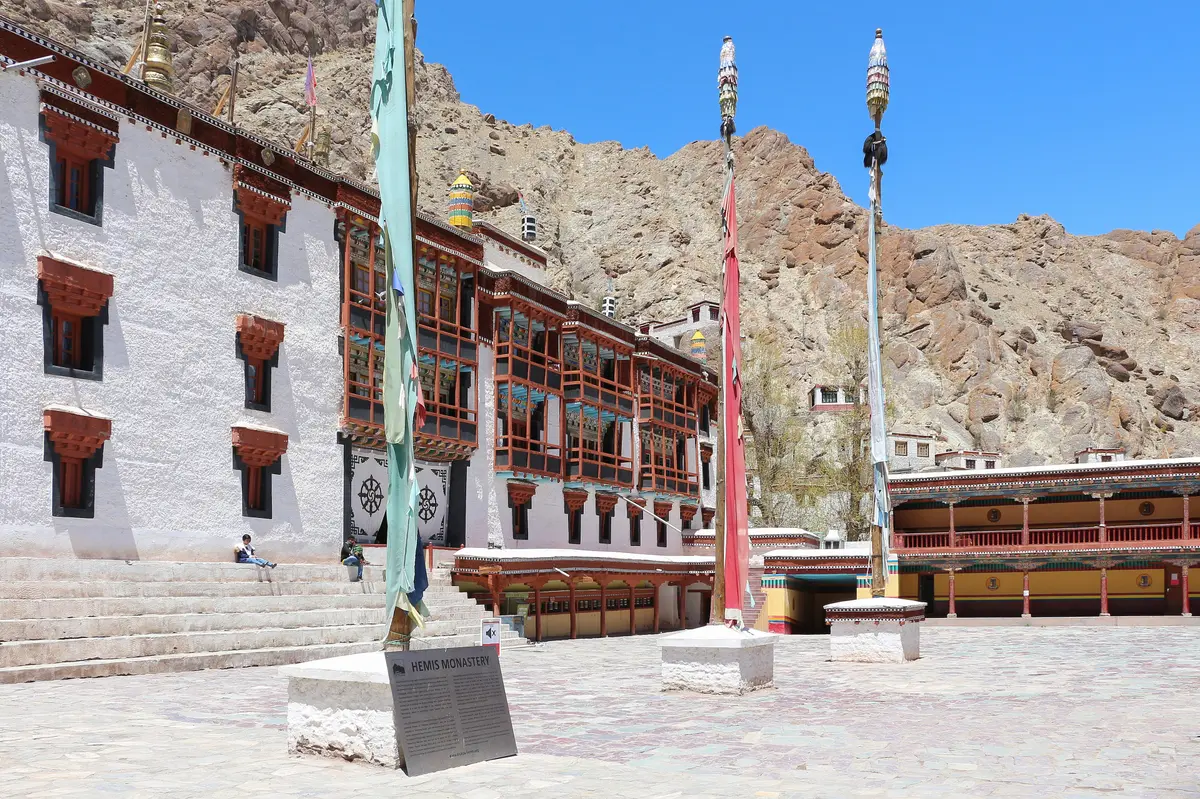
Hemis, tucked into a side valley south of the Indus, is one of the largest and wealthiest monasteries in Ladakh, belonging to the Drukpa lineage. It is famous for the Hemis festival, held in summer, with masked cham dances in the courtyard. The monastery museum has a notable collection of thangkas and artefacts.
Shey and Stakna
Shey Palace, the former summer palace of Ladakh's kings, has a large seated Buddha statue in its temple. Stakna monastery sits on a rock in the Indus valley, with fine views. Both are easy to combine with Thiksey.
Spituk and Phyang
Spituk is close to the airport, on a hill overlooking the Indus. Phyang, a little further west, sits in a quiet side valley. Both are good half-day trips from Leh.
Alchi
Alchi is unusual: rather than perching on a hill, its temples sit on the flat valley floor. Alchi is famous for some of the oldest surviving Buddhist murals in Ladakh, dating back around a thousand years. Photography is not allowed inside the temples to protect the paintings.
Likir
Likir monastery, with its large golden Maitreya statue outside, sits above Likir village on the Srinagar highway. The village is also a starting point for short treks through neighbouring villages.
Lamayuru Monastery
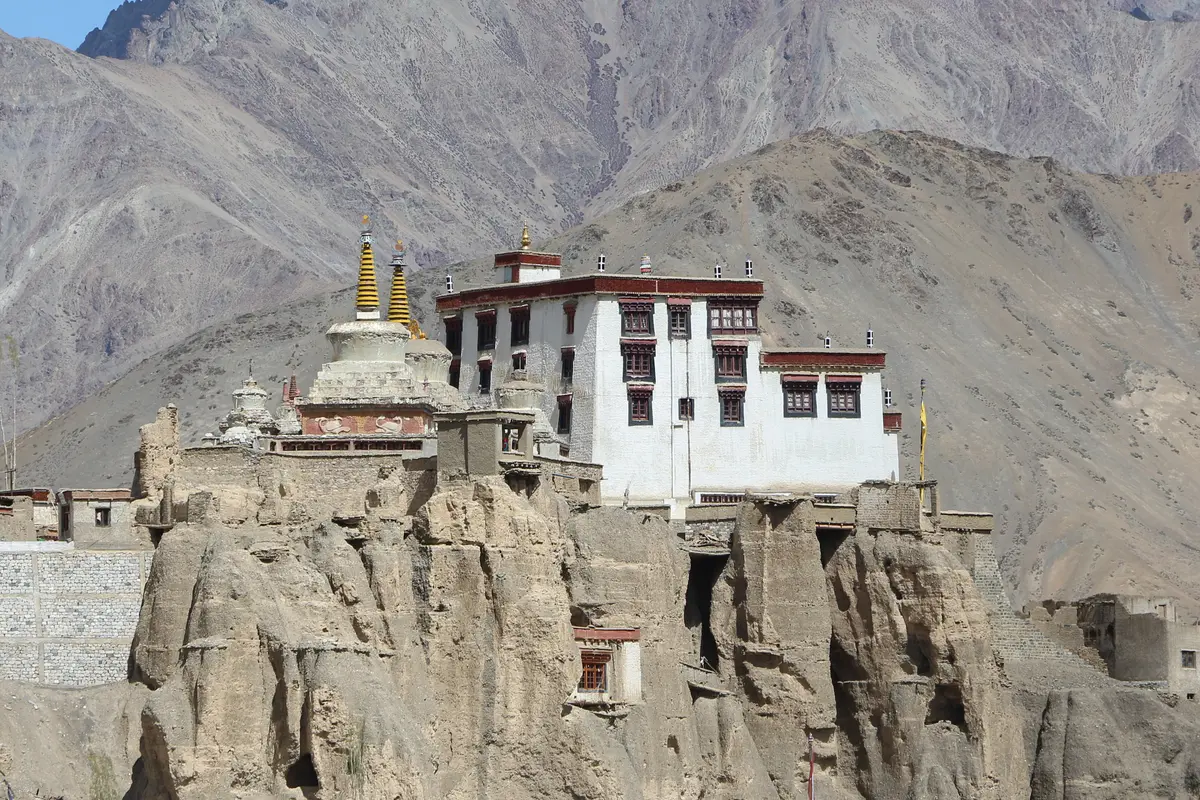
Lamayuru Monastery is one of the oldest in Ladakh and stands above a landscape of eroded hills often called the "Moonland". It belongs to the Drikung Kagyu school. It is roughly halfway between Leh and Kargil, and many travellers stop here or stay overnight on the Srinagar–Leh highway.
- Best time: early morning or late afternoon, when the Moonland is lit at a low angle.
- Festival: Lamayuru holds a masked-dance festival in some years.
Read more in our Lamayuru to Kargil road guide.
Mulbekh Monastery travel guide
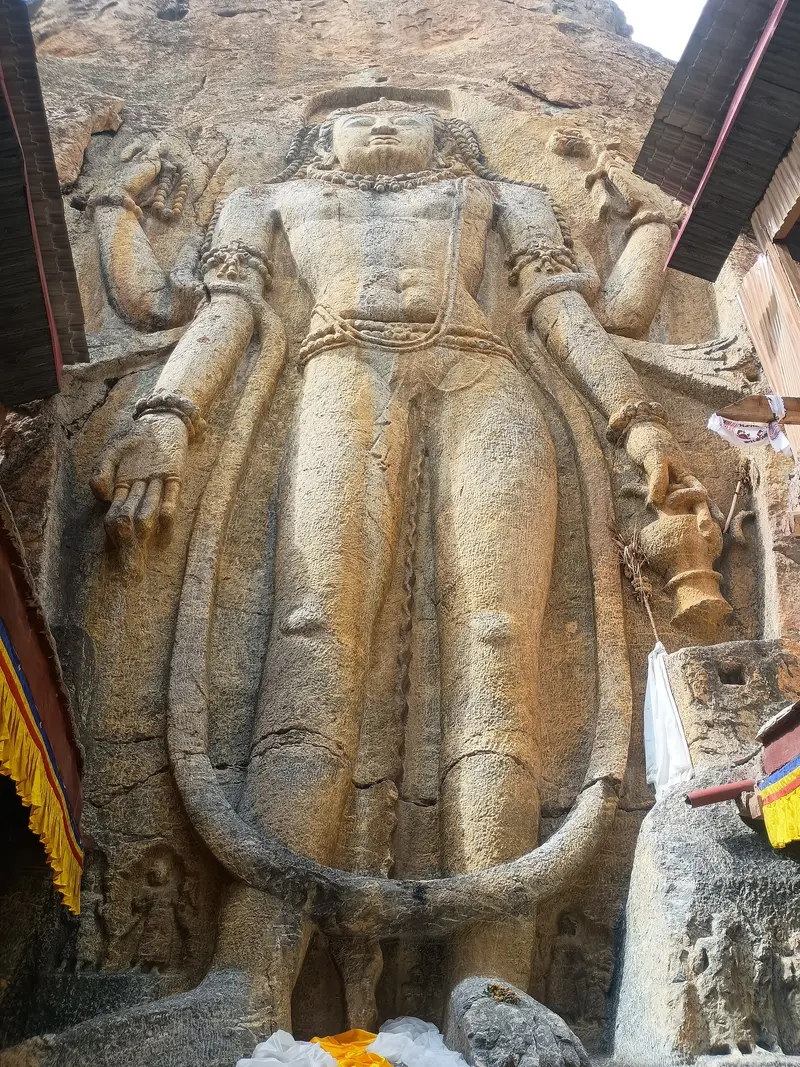
Mulbekh is a village on the Srinagar–Leh highway between Kargil and Lamayuru. It is known for a large rock-cut Maitreya Buddha carved into a rock face beside the road, thought to date back over a thousand years. Two small monasteries sit on the ridge above the village.
- Getting there: the statue is right next to the highway, making it an easy stop on the Srinagar–Leh drive.
- Time needed: 20–30 minutes for the statue; longer if you climb to the gompas.
- Context: Mulbekh marks a cultural transition between the Buddhist east and Muslim west of the highway.
Diskit and Samstanling (Nubra)
In Nubra, Diskit Monastery stands on a spur above the valley with a large Maitreya statue nearby. Samstanling at Sumur is smaller and quieter. See our Nubra Valley guide.
Monasteries at a glance
| Monastery | Area | Known for | Good to combine with |
|---|---|---|---|
| Thiksey | Indus valley, south-east of Leh | Hillside setting, Maitreya statue, morning prayers | Shey, Hemis |
| Hemis | Side valley, south of the Indus | Summer festival, museum | Thiksey, Stakna |
| Alchi | Indus valley, west of Leh | Ancient murals | Likir, Basgo |
| Lamayuru | Srinagar highway | Moonland setting, age | Mulbekh, Alchi |
| Mulbekh | Srinagar highway, near Kargil | Rock-cut Maitreya | Kargil, Lamayuru |
| Diskit | Nubra | Hilltop gompa, Maitreya statue | Hunder |
Monasteries in eastern Ladakh
On the road to Pangong, Chemrey and Takthok are worth a stop. Chemrey climbs a conical hill above its village and makes a striking sight from the road, while Takthok is built around a sacred cave in the rock face. Further east, Hanle Monastery overlooks the observatory valley, and Karzok Monastery stands beside Tso Moriri. See our Hanle travel guide.
Matho, Chemrey and other quieter monasteries
Beyond the famous names, several smaller monasteries are rewarding precisely because they see fewer visitors:
- Matho: across the Indus from Thiksey, belonging to the Sakya school, and known for its oracle festival.
- Stakna: a small monastery on a rocky hill above the Indus, with peaceful views.
- Phyang: in a side valley west of Leh, with a large annual festival.
- Rizong: tucked into a side valley off the Srinagar highway, known for its strict monastic discipline.
- Basgo: temples within the ruins of a historic fort on a ridge.
Photography in monasteries
Rules vary widely. Some halls allow photography without flash, some charge a camera fee and others prohibit it entirely – particularly where old murals are fragile. Look for signs at the entrance, ask the caretaker monk, and respect the answer. Never photograph people praying without permission, and avoid using a drone over monasteries. Outside, courtyards, rooftops and views of the valley are usually fine to photograph.
Monastery festivals
Many monasteries hold annual festivals with masked dances (cham), music and prayers. Hemis in summer is the best known, but others take place across the year, including in winter. Festival dates follow the Tibetan calendar and change from year to year. Our best time to visit Leh Ladakh guide covers seasonal events.
Monastery etiquette
- Dress modestly: cover shoulders and knees; remove hats inside.
- Walk clockwise around stupas, chortens and prayer wheels.
- Remove shoes before entering prayer halls when asked.
- Ask before photographing monks, interiors or ceremonies. Some halls forbid photography entirely.
- No flash: it can damage old murals.
- Keep quiet during prayers and do not sit with your feet pointing towards altars.
- Leave a small donation if you wish; it is appreciated.
Visiting monasteries with children
Monasteries can fascinate children, with their colourful murals, giant statues, prayer wheels and horns. Explain the basics beforehand – speaking quietly, walking clockwise, not touching statues or offerings – and keep visits short. Spinning prayer wheels (gently, clockwise) is usually a favourite. Steep stairs and dark halls need supervision, and the climb to hilltop monasteries such as Thiksey and Lamayuru may be tiring in the first days at altitude.
Suggested monastery routes
Half-day from Leh
Shey → Thiksey → Stakna, back in Leh for lunch.
Full day south-east
Shey → Thiksey → Hemis, with lunch near Hemis.
Srinagar highway route
Spituk → Likir → Alchi on day one; Lamayuru and Mulbekh on the way to Kargil. See our Srinagar to Leh travel guide for the full road.
What to bring on a monastery day
Wear comfortable shoes that slip on and off easily, as you will remove them often. Carry a light layer for cool prayer halls, a scarf or shawl to cover shoulders, small cash for entry fees and donations, a torch for dark interiors and a bottle of water for the climbs. Leave drones at the hotel.
Visiting monasteries with Tripsdoc
For village and monastery routes off the main tourist trail, see our guide to the best villages and hidden places in Ladakh. Browse Tripsdoc's Leh Ladakh tours or contact us to plan a route that includes the monasteries you most want to see.
Final thoughts
Ladakh's monasteries are living places of worship as well as heritage sites, home to communities of monks who study, pray and care for buildings that are often centuries old. Visit with patience and respect, and you will find them among the most memorable parts of your trip.
Photo credits (Wikimedia Commons): Bernard Gagnon Canon EOS REBEL T4i (CC BY-SA 4.0), Bernard Gagnon (CC BY-SA 4.0), Rajani Gairshail (CC BY-SA 4.0).
Frequently Asked Questions
Thiksey is the easiest to combine with a day in Leh, has a striking hillside setting and a large Maitreya statue. If you are driving the Srinagar highway, Lamayuru is an outstanding alternative.
Several monasteries, including Thiksey, allow visitors to sit quietly at the back during morning prayers. Timings vary, so ask locally the day before, arrive early and stay silent.
Most major monasteries charge a small fee for visitors, which helps with upkeep. Some also charge for cameras. Carry small cash.