How to plan a Ladakh budget trip: understanding the main costs, choosing affordable transport and homestays, sharing vehicles, eating well for less, and where not to cut corners.
Ladakh has a reputation as an expensive destination, but much of the cost comes from a few big items: getting to Leh, local transport and accommodation in peak season. With some planning, a Ladakh budget trip is very achievable. This guide explains where the money goes, practical ways to save, and where you should not cut corners.
Prices change every season and depend on demand, so this guide does not list specific rates. Check current prices locally and with operators before you book.
Where your money goes
| Cost area | Why it is significant | Ways to reduce it |
|---|---|---|
| Getting to Leh | Flights vary by season; road trips take time | Book early, travel shoulder season, consider buses |
| Local transport | Long distances to Nubra, Pangong and beyond | Share taxis, join group departures, use buses where they run |
| Accommodation | Peak-season demand raises prices | Homestays, guesthouses, shoulder months |
| Food | Generally moderate | Local dishes, homestay meals |
| Permits and fees | Small but unavoidable | Plan your route once so one permit covers everything |
Choose the right time
Prices for flights, hotels and taxis peak in the busiest summer weeks. Travelling at the start or end of the season – late May, early June or September – often brings better rates and fewer crowds. See our best time to visit Leh Ladakh guide for what each month is like.
Getting to Leh on a budget
- By bus: state transport buses have run between Manali and Leh and between Srinagar and Leh in season. They are slow but economical and help you acclimatise.
- By shared vehicle: shared taxis sometimes run on the main routes in season.
- By air: book well ahead and compare dates; mid-week flights can be cheaper.
For the overland routes, see our Srinagar to Leh travel guide and the existing Manali Leh budget trip article.
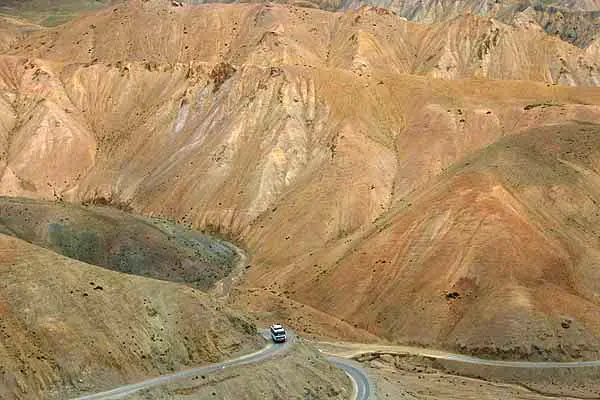
Getting around Ladakh cheaply
Share a taxi
Local taxi unions in Leh set fixed rates for popular routes. A full vehicle splits the cost, so joining other travellers is one of the easiest ways to save. Ask at your guesthouse or check café notice boards.
Join a group departure
Group tours spread the cost of vehicles, drivers and permits across travellers. Look at what is included and compare the per-person price with arranging things yourself.
Local buses
Local buses run from Leh to some villages, though schedules can be infrequent. They are useful for nearby monasteries and villages.
Bike rental
For two people sharing one motorcycle, renting can be economical. Remember to budget for fuel, including spare fuel for remote stretches where pumps are scarce, and for a backup plan if the weather turns. See our Ladakh bike trip guide.
Budget accommodation
- Homestays: family-run, often include breakfast and dinner, and support local families.
- Guesthouses: plentiful in Leh's Changspa and Karzoo areas.
- Hostels: Leh has backpacker hostels with dorm beds.
- Lakes: homestays in Spangmik or Karzok are usually cheaper than luxury camps.
Booking directly with family-run homestays, especially outside peak weeks, can also help.
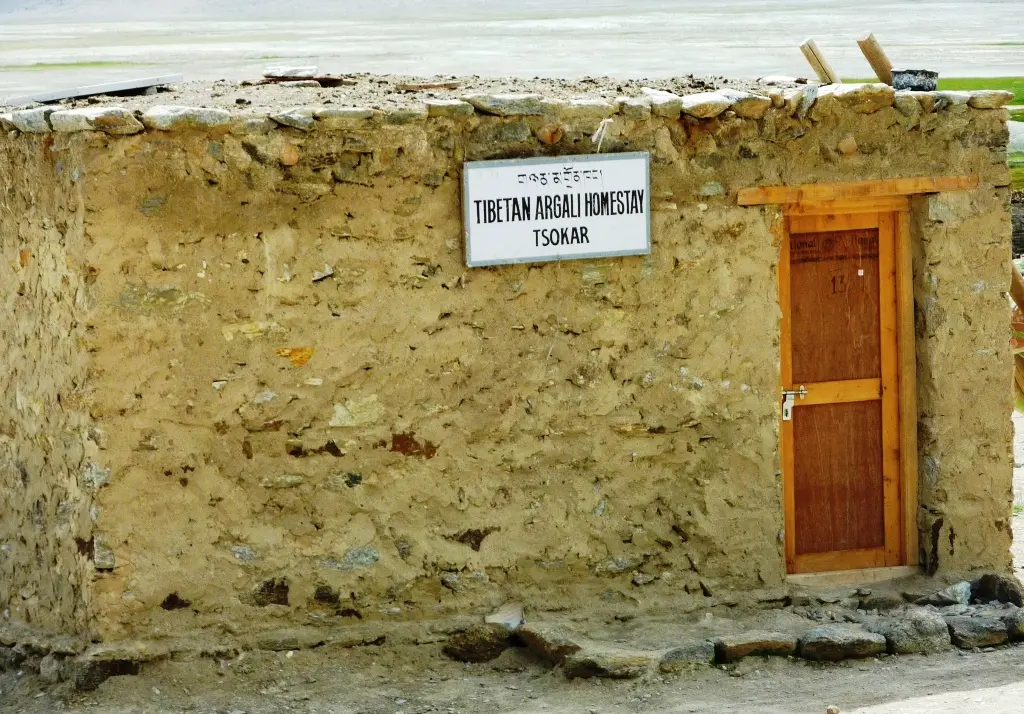
Choosing a budget stay
Even simple places vary a lot. Before booking, ask whether hot water is available all day or at set times, whether rooms are heated, how reliable the electricity is, and whether breakfast or dinner is included. In Leh, a slightly more expensive room in a quiet area can be worth it for your acclimatisation days; outside Leh, homestays usually offer the best value.
Eating well for less
- Eat local: thukpa, momos, skyu and Tibetan bread are filling and inexpensive.
- Homestay meals are usually good value and home-cooked.
- Refill water bottles at refill stations instead of buying bottled water.
- Buy dried fruit and snacks in Leh market before long drives.
Low-cost things to do in and around Leh
- Walk the old town: narrow lanes, mud-brick houses and views of the palace cost nothing.
- Shanti Stupa at sunset: climb the steps once you are acclimatised.
- Main Bazaar and the vegetable market: watch local life and try inexpensive snacks.
- Village walks: fields and lanes around Changspa and Sankar are pleasant for an evening stroll.
- Monasteries: entry fees are generally modest.
How group size changes the cost
| Group size | Often the best-value transport |
|---|---|
| Solo traveller | Shared taxis, buses, joining a group departure |
| Two people | One rented motorcycle (if experienced) or a shared taxi |
| Three to six people | A private SUV with driver, split equally |
| Larger groups | A tempo traveller or two vehicles |
Vehicle costs are usually charged per vehicle rather than per person, so filling seats is the single biggest saving on long excursions.
Booking tips
- Compare what is included – meals, permits, fuel, driver allowances – not just the headline price.
- Ask about cancellation and change terms before paying.
- Avoid paying large advances to unknown operators; use established businesses with clear contact details.
- Keep written confirmation of what you have agreed.
Plan a route that saves time and money
Avoiding backtracking saves both fuel and days. For example, link Nubra and Pangong via the Shyok road rather than returning to Leh in between, if the road is open. See our Ladakh road trip itinerary and 5-day Leh itinerary for efficient routes.
Hidden costs to plan for
- Permit and environment fees: small but required for protected areas.
- Monastery and museum fees: modest individually, but they add up over a week.
- Camera fees: some sites charge separately for cameras.
- Driver costs: on multi-day taxi trips, check whether the driver's food and lodging are included in the quote.
- Extra nights: weather or road closures can add a night unexpectedly.
- Warm clothing: buying a jacket in Leh because you underpacked is avoidable.
Where not to cut corners
- Acclimatisation days: skipping rest days to save money can make you ill and cost more in the long run.
- Warm clothing: nights are cold everywhere. A good jacket is essential.
- Vehicle quality and driver experience: mountain roads demand reliable vehicles.
- Travel insurance: check it covers high altitude and the activities you plan.
- Permits: travelling without a valid permit can lead to being turned back.
Solo budget travel
Solo travellers face the highest per-person transport costs, because taxis are priced per vehicle. Ways around this include staying in hostels or guesthouses where other travellers gather, checking café notice boards for shared rides, joining a group departure for the longer excursions, and using local buses for nearby villages. Leh is generally welcoming to solo travellers, but share your plans with your accommodation before heading to remote areas.
Sample budget-friendly plan
- Days 1–2: arrive in Leh, rest and explore the town on foot.
- Day 3: local monasteries by local bus or shared taxi.
- Days 4–5: Nubra in a shared taxi, with a homestay in Hunder.
- Days 6–7: Pangong in a shared taxi, with a homestay at Spangmik.
- Day 8: return to Leh and depart.
Tripsdoc packages
If you prefer a planned trip, compare the per-person cost of a package with arranging everything yourself. Tripsdoc's Leh Ladakh packages list current prices and inclusions on each page. For a budget-conscious custom plan, contact Tripsdoc.
Final thoughts
A Ladakh budget trip is about smart choices rather than going without: travel outside peak weeks, share vehicles, stay with local families and plan efficient routes. Save money where it makes sense, but never at the expense of acclimatisation, warmth or safety.
Photo credits (Wikimedia Commons): Ingo Mehling (CC BY-SA 3.0), Steve Evans (CC BY 2.0), John Hill (CC BY-SA 4.0).
Frequently Asked Questions
Overland routes by bus are generally the cheapest, though they take longer. Flight prices vary widely by season; booking early and travelling outside peak weeks can make flying competitive.
Usually, yes, and they often include home-cooked meals. They are also a good way to support local families. Facilities are simpler than in hotels.
It depends on group size and route. For two people, a shared bike can be economical; for groups of four to six, sharing an SUV with a driver is often comparable per person and more comfortable.