A Srinagar Kargil Leh tour that treats Kargil as a destination, not just a night stop: the Kargil War Memorial at Drass, Kargil town and its museum, a Suru valley detour, Mulbekh's rock-cut Maitreya and how to plan the days.
On most trips across Ladakh's western gateway, Kargil is just a hotel for the night. A Srinagar Kargil Leh tour does it differently: it gives Drass, Kargil and the nearby valleys enough time to be part of the experience. This is the region of the 1999 Kargil War, of Balti and Purgi culture, of apricot orchards along the Suru river and of an ancient rock-cut Buddha at Mulbekh. Here is how to plan it.
Why plan a Srinagar Kargil Leh tour?
- History: the Kargil War Memorial at Drass is one of India's most visited memorials.
- Culture: Kargil's Shia and Balti heritage is very different from Buddhist Leh.
- Landscape: green river valleys, glaciers and the Nun-Kun massif in the Suru valley.
- Acclimatisation: Kargil, at around 2,700 m, is a gentle step up towards Leh.
Route overview and distances
| Stretch | Approx. km | Highlights |
|---|---|---|
| Srinagar → Sonamarg | 80 | Sind valley, pine forests |
| Sonamarg → Zojila → Drass | 60–65 | Zojila pass, Minamarg meadows |
| Drass → Kargil | 60 | Kargil War Memorial, Drass river |
| Kargil → Mulbekh | 40 | Wakha valley, Maitreya statue |
| Mulbekh → Leh | 175–190 | Namika La, Fotu La, Lamayuru, Indus valley |
Distances are approximate. For the driving side of this route, including Zojila timings and fuel, see our Srinagar Leh road trip guide.
Drass and the Kargil War Memorial
Drass is the first town after Zojila and sits at around 3,280 m. Just outside it is the Kargil War Memorial, built to honour soldiers who died in the 1999 conflict. The site includes a sandstone wall with the names of the fallen, a gallery with photographs and personal items, and views towards Tololing and other peaks that saw intense fighting. Every year on 26 July, Kargil Vijay Diwas is commemorated here.
Plan about an hour, take your time with the exhibits, and remember that photography of military areas outside the memorial is not allowed.
Kargil town: more than a night stop
Kargil sits where the Suru and Drass rivers meet, and was once an important stop on caravan routes linking Kashmir, Ladakh and Central Asia. Today it is the district headquarters and Ladakh's second-largest town.
Things to do in Kargil
- Main bazaar: dried apricots, local bread and everyday life in a busy mountain market.
- Munshi Aziz Bhat Museum: a small private collection of trade goods, textiles and objects from Kargil's caravan days.
- Riverside walks: evening light on the Suru river and surrounding peaks.
- Hundurman village: an old village near the Line of Control with a small museum of household items; check access rules locally before going.
Respect local customs: dress modestly in town, ask before photographing people and be mindful near mosques and imambaras.
Suru valley detour
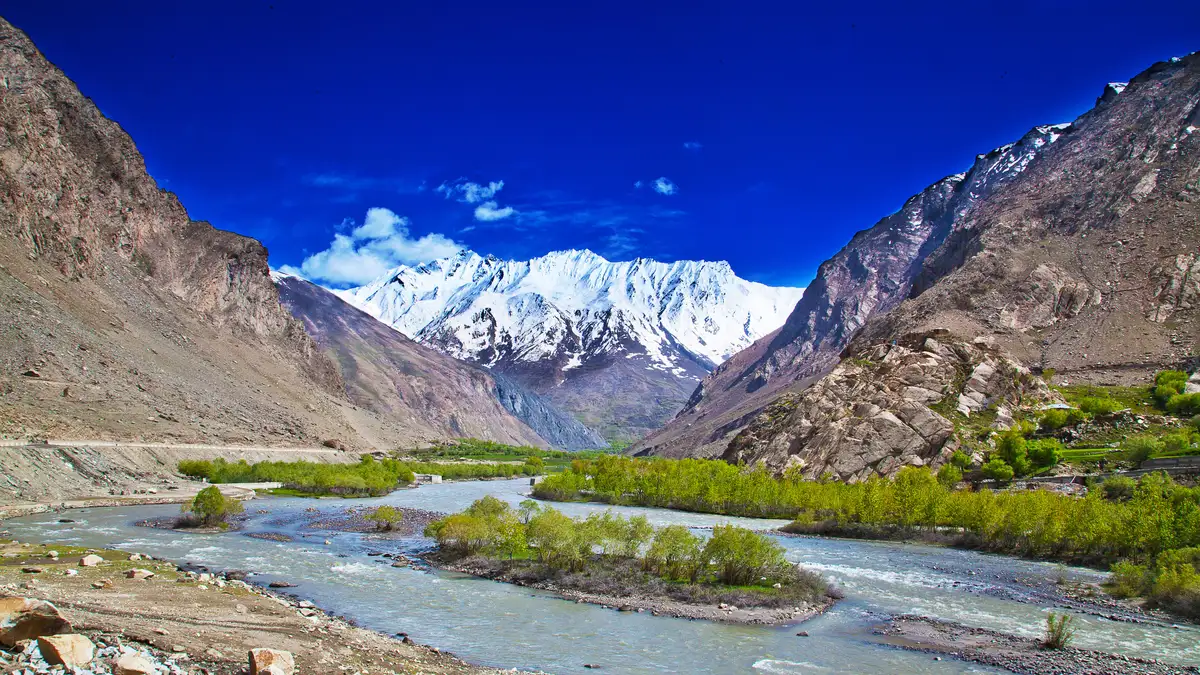
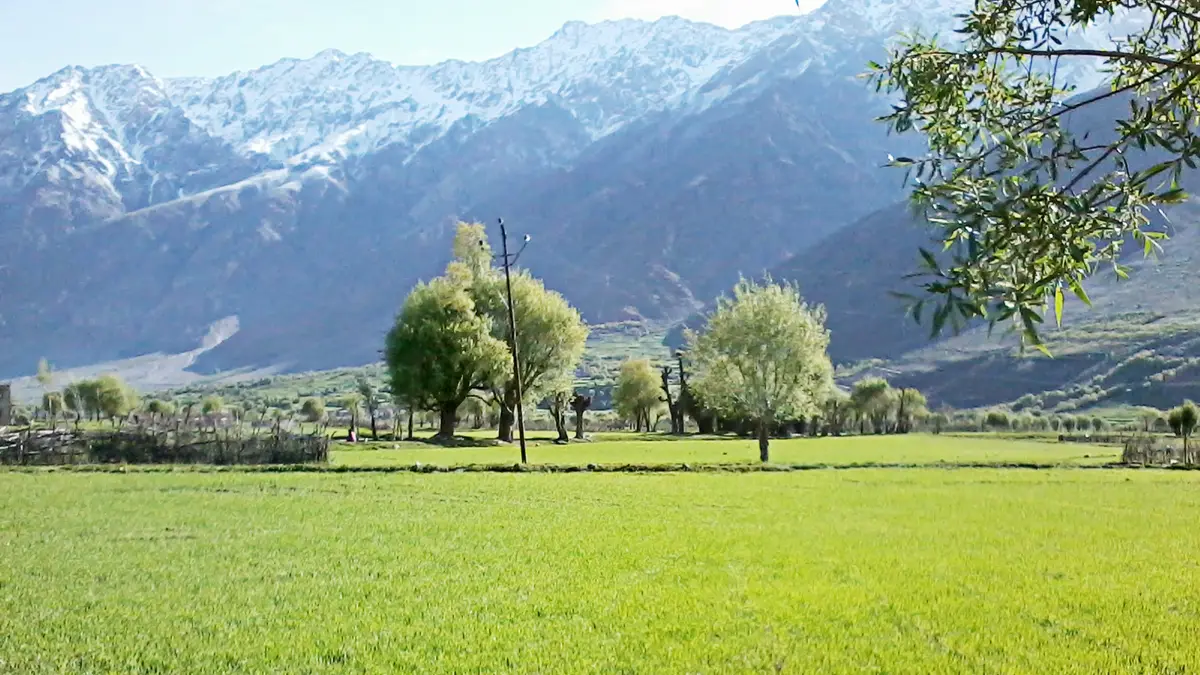
South of Kargil, a road follows the Suru river through Sankoo and Panikhar towards Parkachik, with views of the Nun-Kun massif on clear days. Willow and poplar groves line the river, and villages are surrounded by barley fields. It is a peaceful contrast to the busy highway.
- Day trip: Kargil to Sankoo and Panikhar and back.
- Overnight: continue to Parkachik for glacier views, or towards Rangdum on the road to Zanskar.
Beyond the main villages the road gets rough, so travel with a local driver who knows the route.
Mulbekh and onward to Leh
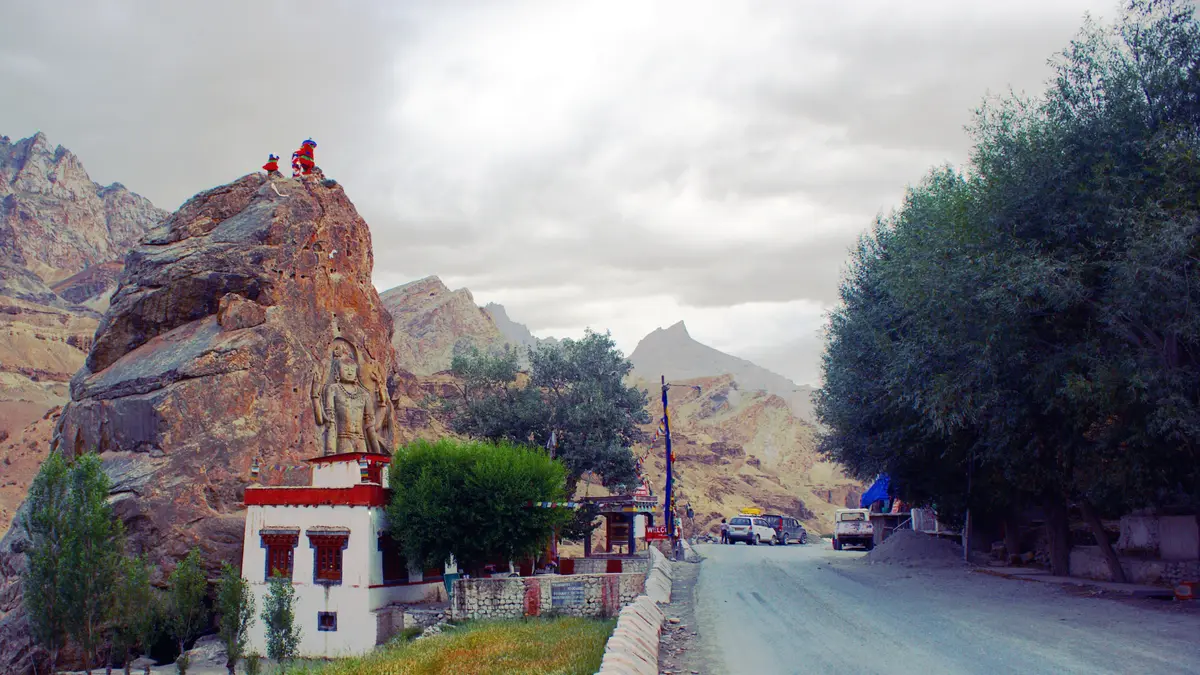
About 40 km from Kargil, Mulbekh marks the start of Buddhist Ladakh. Beside the highway stands a large Maitreya Buddha carved into a rock face, believed to be well over a thousand years old. Two small monasteries sit on the ridge above the village.
From Mulbekh, the road climbs over Namika La and Fotu La, then drops to Lamayuru and its eroded Moonland landscape before following the Indus to Leh. For a list of every stop on this stretch, see our Srinagar Leh sightseeing guide.
Sample 4-day Srinagar Kargil Leh tour
- Day 1: Srinagar to Sonamarg; meadow walk.
- Day 2: Sonamarg to Kargil over Zojila; Kargil War Memorial at Drass on the way.
- Day 3: Kargil day: bazaar, museum and a half-day Suru valley drive to Sankoo.
- Day 4: Kargil to Leh via Mulbekh, Lamayuru and Alchi.
Add Leh sightseeing, Nubra and Pangong afterwards to turn this into a full Ladakh trip.
If you have two more days, stretch the plan: spend a full day in the Suru valley with a night at Panikhar or Parkachik, and break the final leg with a night at Lamayuru. This slower version suits photographers and anyone who wants to see village life rather than just the highway. It also keeps every driving day short, which is easier on children and older travellers, and helps everyone acclimatise before Leh.
Where to stay on the route
| Place | Stay options | Good to know |
|---|---|---|
| Sonamarg | Hotels and guesthouses | Busy in summer; book ahead |
| Drass | A few simple hotels | Quiet, close to the memorial |
| Kargil | Widest choice on the route | Riverside rooms have the best views |
| Suru valley | Basic guesthouses and camps | Limited; carry cash |
| Lamayuru | Guesthouses near the monastery | Lovely at sunset |
Two nights in Kargil let you explore the town and the Suru valley without packing and unpacking every day.
Understanding Kargil's culture
Kargil district has its own identity within Ladakh. Most people are Shia Muslims, and the call to prayer, imambaras and Muharram processions are part of daily and seasonal life. Purgi and Balti are the main local languages, both related to Tibetan, and the food, dress and music show links to Baltistan across the border. Visitors who expect only Buddhist monasteries are often surprised by this variety. Taking time to understand it, rather than racing on to Leh, is what makes a Srinagar Kargil Leh tour more rewarding than a straight drive.
Photography tips for the route
The best light on the Drass and Suru valleys is early morning and late afternoon, when shadows bring out the texture of the mountains. Ask before photographing people, especially women, and avoid photographing army camps, bridges and checkpoints. A polariser helps with the strong high-altitude sun, and spare batteries are useful because cold drains them quickly on Zojila.
Best time to visit
The highway is usually open from about April or May to November. Late May and June bring snow on Zojila and fresh green in the valleys; July and August are warm and busy, especially around Kargil Vijay Diwas in late July; September brings golden poplars and clear skies. Check current road conditions before travel.
Tips and mistakes to avoid
- Do not treat the Kargil War Memorial as a five-minute photo stop.
- Carry cash for small shops and the museum.
- Check access rules before visiting villages close to the Line of Control.
- Keep warm layers ready for Zojila and Fotu La.
- Avoid driving after dark on mountain roads.
Travelling solo and want company? A Srinagar Leh group departure covers this route with fellow travellers. Planning from Delhi? Our Delhi to Leh complete road trip guide shows how Kargil fits into a longer circuit.
Why travel with Tripsdoc
We plan this route with local drivers who know Zojila and the Suru valley, and with stays in Kargil chosen for comfort and location. Our Srinagar Leh Manali package page shows a full circuit that starts with this road.
Conclusion
A Srinagar Kargil Leh tour adds history, culture and quiet valleys to the classic drive into Ladakh, and gives your body a gentler climb too. See our Leh Ladakh tour packages, or contact Tripsdoc to plan a Srinagar Kargil Leh tour with time for Drass, Kargil and the Suru valley.
Photo credits (Wikimedia Commons): Mrigzes (talk)sadi (Public domain), Narender9 (CC BY-SA 4.0), Anwaraj (CC BY-SA 3.0), Kondephy (CC BY-SA 3.0).
Frequently Asked Questions
Kargil receives many domestic and foreign tourists every summer, and the main highway and town are used to visitors. As in any border region, follow official advisories, carry photo ID, respect checkpoint instructions and never photograph military installations. Ask your hotel or driver about current conditions before heading to villages close to the Line of Control.
Plan for about an hour. The memorial at Drass has a wall of names, a museum gallery and views towards the peaks where fighting took place in 1999, including Tololing and Tiger Hill. Guides from the army sometimes explain the events to visitors. It is a moving stop, so give it time rather than rushing through.
Walk through the main bazaar for dried apricots and local snacks, visit the Munshi Aziz Bhat Museum, which displays objects from Kargil's days on Central Asian trade routes, and enjoy the riverside views of the Suru. Evening walks are pleasant in summer. Kargil is also the base for trips to the Suru valley and Zanskar.
A short visit to Sankoo and Panikhar, with views of the Nun-Kun massif on a clear day, is possible as a long day trip from Kargil. Going further to Parkachik and Rangdum needs at least one night. The road becomes rough beyond the main villages, so check conditions locally and travel with an experienced driver.
The main local languages are Purgi and Balti, while Hindi and Urdu are widely understood in shops, hotels and taxis, and many younger people speak English. Learning a simple greeting is appreciated. Kargil's population is largely Shia Muslim, so dress modestly in town and around religious places, and be respectful during prayer times.
Look for local breads from bakeries in the morning, thukpa and momos, and Kashmiri-style dishes in town restaurants. Dried apricots and apricot kernels from the region make good snacks and gifts. Hotel dinners usually include North Indian options, so families with fussy eaters will find something familiar after a long day on the road.
Drass is often described as one of the coldest inhabited places in India, with very harsh winters and heavy snow. In summer, though, days are pleasant and nights are cool. Travellers on a summer trip only need normal warm layers, but those visiting in early or late season should be prepared for freezing nights.
Mulbekh is roughly 40 km east of Kargil on the road to Leh, about an hour's drive. The rock-cut Maitreya Buddha stands right beside the highway, so it is an easy stop. The small monasteries on the ridge above the village need a short drive or climb and are worth the time if you are not in a hurry.
Yes, a road runs from Kargil through the Suru valley and over Pensi La to Padum, the main town of Zanskar. It is a long, rough drive of at least one or two days and is a trip in itself. Plan it as a separate extension with an experienced driver, and check road status and fuel availability before setting out.
Indian citizens currently do not need a special permit to visit Kargil town, Drass or the main highway. Some areas near the Line of Control and certain valleys may need permits or permission, and rules can change. Carry photo ID for every traveller, and check with local authorities or your tour operator before planning visits off the main road.