A Delhi to Leh complete road trip guide covering both routes from the plains, which direction to drive the full Delhi–Manali–Leh–Srinagar–Delhi loop, a 16-day stage plan, vehicle preparation, approximate costs, season windows and safety at altitude.
This Delhi to Leh complete road trip guide is for travellers who want the whole experience: leaving the plains behind, crossing the great Himalayan highways and returning by a different road. It explains the two routes from Delhi, which direction to drive the full loop, a 16-day stage plan, how to prepare your vehicle, approximate costs and the safety points that matter most at altitude. Use it as a framework and adapt it to your dates and group.
Two ways to reach Leh from Delhi
| Via Manali | Via Srinagar | |
|---|---|---|
| Delhi to gateway | About 530–540 km to Manali | About 800–850 km to Srinagar |
| Gateway to Leh | About 425–430 km | About 420–435 km |
| Highest pass | Tanglang La, around 5,300 m | Fotu La, around 4,100 m |
| Altitude gain | Steep | Gradual |
| Usual season | Around June to September | Around April or May to November |
Distances are approximate. Each route works on its own as a one-way trip; together they form one of the great road circuits in Asia. For a shorter one-way plan, see our Delhi to Leh road trip article.
Which direction for the full loop?
For most travellers, the clockwise loop – Delhi to Srinagar, Srinagar to Leh, Leh to Manali, Manali to Delhi – is the better choice. The climb from Srinagar is gradual, which helps acclimatisation, and by the time you face Tanglang La and Baralacha La on the way out, your body has adjusted. The anti-clockwise loop via Manali first gets the highest passes done early but is harder on first-timers.
The deciding factor is often the calendar: the Manali highway opens later and closes earlier, so a full loop is most reliable between mid-June and mid-September.
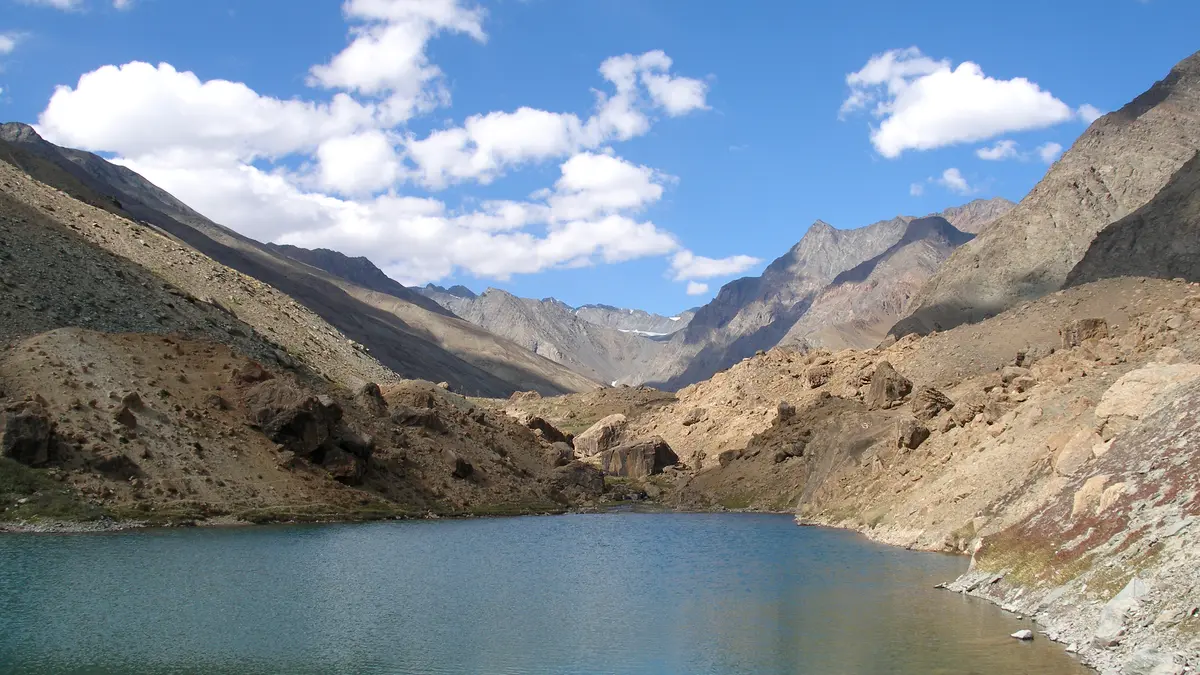
Delhi to Leh complete road trip guide: 16-day plan
| Day | Stage | Notes |
|---|---|---|
| 1 | Delhi → Jammu or Pathankot area | Long highway day through Haryana and Punjab |
| 2 | → Srinagar | Hill driving via Banihal; start early |
| 3 | Srinagar | Rest, Dal Lake, Mughal gardens |
| 4 | Srinagar → Kargil | Zojila and the Kargil War Memorial |
| 5 | Kargil → Leh | Mulbekh, Lamayuru, Alchi |
| 6 | Leh | Full rest and acclimatisation |
| 7 | Leh local | Monasteries, Shanti Stupa; arrange permits |
| 8–9 | Nubra | Khardung La, Diskit, Hunder; optional Turtuk |
| 10 | Nubra → Pangong | Via Shyok road when open |
| 11 | Pangong → Leh | Over Chang La |
| 12 | Leh | Buffer, vehicle check, shopping |
| 13 | Leh → Sarchu or Jispa | Tanglang La, More Plains, Baralacha La |
| 14 | → Manali | Through the Atal Tunnel |
| 15 | Manali → Chandigarh area | Kullu and Mandi valleys |
| 16 | → Delhi | Easy plains drive |
For a tighter day-wise version, see our Delhi to Leh itinerary. Details of the Kashmir side are in our Srinagar Leh road trip guide, and the Himachal side is covered in our Manali to Leh travel guide.
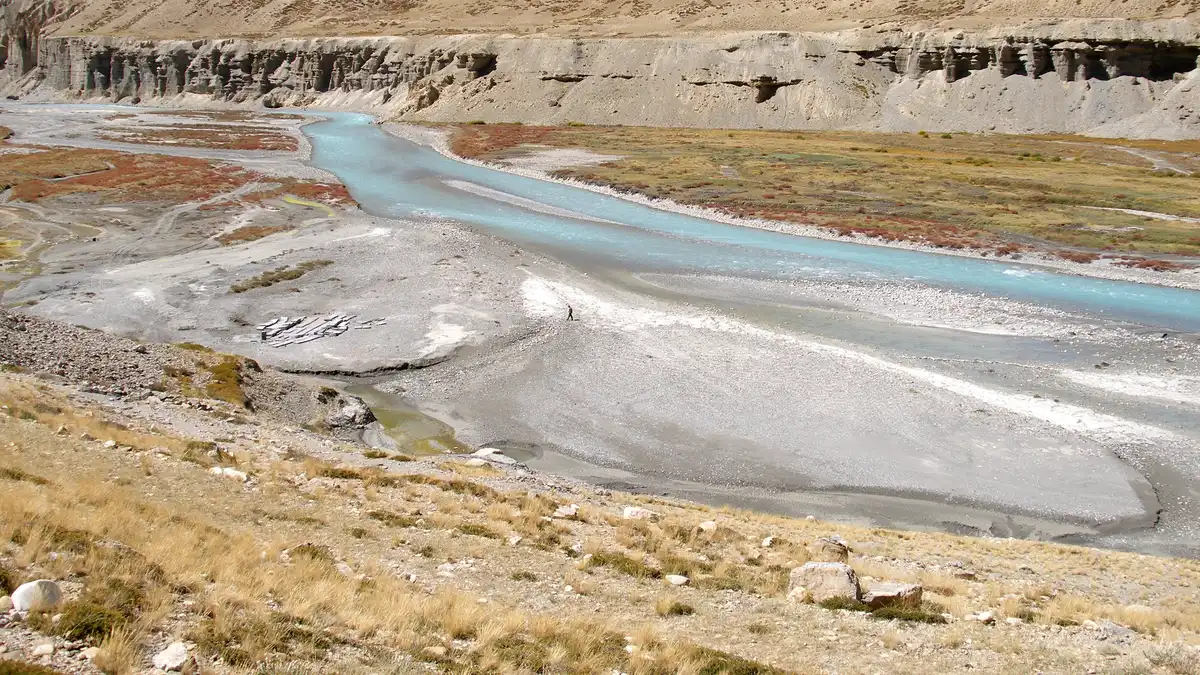
Shorter versions of the loop
Not everyone has sixteen days. If you are short on time, these variations keep the best parts:
- 10–11 days, one highway: Delhi to Manali, Manali to Leh with a night at Jispa, rest and sightseeing in Leh, Nubra and Pangong, then fly back from Leh.
- 11–12 days, Srinagar entry: fly or drive to Srinagar, drive to Leh via Kargil, explore Leh, Nubra and Pangong, and fly out of Leh.
- 13–14 days, both highways without the plains: fly to Srinagar, drive Srinagar–Leh–Manali, and take a bus or flight back to Delhi from the Kullu area.
Any of these can be adapted using the same principles as this Delhi to Leh complete road trip guide: gradual altitude, short mountain days and a rest day in Leh.
Planning checklist before you leave Delhi
- Confirm opening status of both the Manali and Srinagar highways.
- Book key stays in Srinagar, Kargil, Leh, Nubra and Pangong for peak months.
- Apply for protected-area permits online or plan time in Leh to arrange them.
- Carry enough cash for remote stretches; ATMs are scarce between towns.
- Share your plan with family and agree on check-in times, since network will be patchy.
- Pack warm layers, rain gear, sun protection, basic medicines and a first-aid kit.
- Download offline maps for the whole route.
Preparing your vehicle
- Service: brakes, clutch, suspension, coolant, battery and all fluids before leaving Delhi.
- Tyres: good tread on all tyres and a full-size spare; consider a second spare for remote valleys.
- Kit: jack, wheel spanner, tow rope, jump leads, puncture kit, torch and basic tools.
- Fuel: carry a reserve can for the Tandi to Karu stretch on the Manali side.
- Papers: registration, insurance, pollution certificate and driving licences.
Check current local rules on outside-registered vehicles in Ladakh before you go, as they can change.
Approximate costs
Costs vary widely, so treat these as rough guides for a car with four people sharing:
- Fuel: the biggest single cost for self-drivers over 2,200–2,400 km plus detours.
- Stays: approx. ₹1,500–₹5,000 per room per night depending on place and category.
- Food: approx. ₹600–₹1,200 per person per day at local restaurants.
- Permits and tolls: modest compared to fuel and stays.
- Local taxis: if you leave your car in Leh and hire for Nubra and Pangong.
If you would rather not drive the plains sections at all, the Delhi to Leh by Volvo article explains bus options for reaching the mountains.
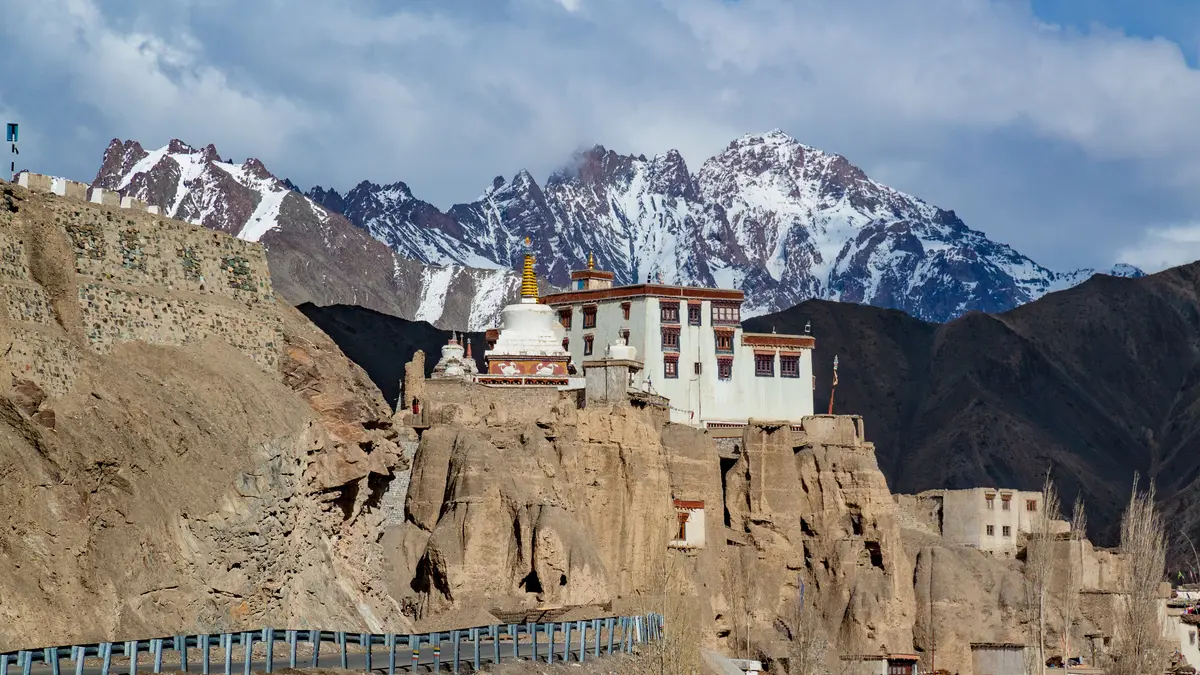
Best time and acclimatisation
For the full loop, mid-June to mid-September is the safest window, when both highways are usually open. July and August bring monsoon rain on the Himachal and Jammu sides, with a risk of landslides; September is often the most pleasant month in Ladakh. Always check both highways' status before leaving Delhi.
On acclimatisation, the rules are simple: gain height gradually, take a full rest day in Leh, drink plenty of water, avoid alcohol early on, and sleep lower whenever you can. Symptoms such as severe headache, vomiting, confusion or breathlessness at rest mean stop, rest and descend.
Driving the plains sections well
The plains and foothill stretches are where many road-trippers lose energy before they even reach the mountains. Leave Delhi before dawn to beat city traffic, take a break every two hours, and share the driving if you can. The highways through Haryana and Punjab are fast, but trucks, slow vehicles and occasional fog in the early morning demand attention. Once you climb past Bilaspur towards Mandi and Kullu, or past Jammu towards Banihal, speeds drop and the roads become narrower and busier. Plan these sections for daylight and arrive at your halt before evening, so that you start the mountain stages rested.
Mistakes to avoid on a long loop
- Driving more than 10–12 hours a day on the plains to save time.
- Skipping the rest day in Leh.
- Planning the Manali exit before the highway has opened.
- Driving after dark in the mountains.
- Leaving no buffer days for landslides or snow.
Why plan the loop with Tripsdoc
We help travellers plan full Ladakh circuits with realistic stages, stays we know, permits and local vehicles where needed. Our Manali Leh Srinagar package and Srinagar Leh Manali package pages show both directions of the mountain section.
Conclusion
A full Ladakh loop is a big undertaking, but with a sensible direction, short mountain days and a little buffer, it becomes the road trip of a lifetime. We hope this Delhi to Leh complete road trip guide helps you plan it with confidence. Explore our Leh Ladakh tour packages or contact Tripsdoc to build your own version of this Delhi to Leh complete road trip guide plan.
Photo credits (Wikimedia Commons): Vyacheslav Argenberg (CC BY 4.0), Dmitry A. Mottl (CC BY-SA 4.0).
Frequently Asked Questions
Plan at least 14 days, and ideally 16 to 18, for the full loop via Manali and Srinagar with time around Leh. That allows two days to reach the mountains from Delhi, two or three days on each high-altitude highway, a rest day in Leh, Nubra and Pangong, and buffer days for weather or road closures.
Entering via Srinagar and leaving via Manali is generally easier on the body, because altitude rises more gradually and the Srinagar road usually opens earlier. Going via Manali first suits travellers who want the highest passes early and are already experienced at altitude. Either way, check opening dates for both highways before fixing your direction.
The full Delhi–Manali–Leh–Srinagar–Delhi circuit is roughly 2,200 to 2,400 km, depending on detours to Nubra, Pangong and other valleys, which can add several hundred kilometres. Daily distances on the high-altitude stretches are short, but average speeds are low, so plan by hours rather than kilometres.
Many people do, especially in mid-season when most roads are paved and maintained. Higher ground clearance helps on broken patches, water crossings and side roads to Nubra and Pangong. Whatever you drive, service it before you leave, carry a good spare tyre and avoid overloading. Drive slowly on rough sections to protect the underside.
Delhi to Manali is about 530 to 540 km. You can drive it in one long day of 11 to 14 hours, but splitting it with a night around Chandigarh, Mandi or Kullu is more relaxed and safer. The hill stretch after Bilaspur is slow, so try to tackle it in daylight with fresh energy.
Carry original driving licence, registration certificate, valid insurance and pollution certificate for the car, plus original photo ID and several photocopies for each traveller. You will need these for checkpoints and protected-area permits for Nubra, Pangong and other valleys. Keep digital copies on your phone and printed copies in the car.
The main risks are altitude sickness, fatigue from long driving days, landslides in monsoon on the Himachal and Jammu sides, cold at high camps and mechanical trouble far from help. Plan short days, sleep low, drive only in daylight, carry warm layers and spares, and keep buffer days so you never feel forced to push on.
Self-driving gives freedom but is tiring over two weeks, especially at altitude. A popular compromise is to drive your own car to Manali or Srinagar and hire local drivers or taxis inside Ladakh, where union rules may restrict outside vehicles for some routes. A professional driver also lets everyone in the group enjoy the views.
Srinagar to Delhi is roughly 800 to 850 km via Jammu, Pathankot and Punjab. Most people take two days with a night in Jammu, Pathankot or near Amritsar. The stretch between Srinagar and Jammu can be slow due to traffic, roadworks or weather, so start early and check the latest highway advisory.
It is possible with careful planning, but the length and altitude make it demanding. Choose the Srinagar entry for gradual acclimatisation, avoid overnight stays at very high camps, keep daily drives short and consult your paediatrician before the trip. Flying to Leh and doing only one highway by road is often a better choice for families with toddlers.