A Manali to Leh travel guide for first-timers: how to get from Manali to Leh by bus, shared taxi, private cab, self-drive or bike, where to break the journey, documents, mobile network, cash and what to expect on arrival.
Most people who search for a Manali to Leh travel guide have the same questions: how do I actually get there, where do I stop, and what will the journey be like? This guide answers those practical questions for first-timers. It compares the main ways to travel, explains where to break the journey, and covers the small details that are easy to forget, from cash and mobile network to what to do on arrival in Leh.
Manali to Leh travel guide: quick facts
- Distance: about 425–430 km via the Atal Tunnel (approx.).
- Driving time: roughly 12–16 hours, best split over two or three days.
- Season: usually from late May or June to around late September; dates change every year.
- Key passes: Baralacha La, Nakee La, Lachung La and Tanglang La.
- Altitude in Leh: around 3,500 m.
- Permits: not needed for Indian citizens on the highway itself.
Ways to travel from Manali to Leh
| Option | Typical journey | Cost level | Best for |
|---|---|---|---|
| Government bus | 2 days with an overnight halt | Lowest | Solo budget travellers with flexible plans |
| Shared taxi | Often non-stop or one night en route | Moderate | Solo travellers and pairs in a hurry |
| Private taxi | 2–3 days, your schedule | Higher, shared by group | Families and groups |
| Self-drive car | 2–3 days | Fuel and stays | Experienced mountain drivers |
| Motorcycle | 3–5 days | Rental, fuel and gear | Riders with gravel experience |
Bus
The seasonal government bus is the cheapest way to cover the highway. It runs on fixed timings with an overnight halt, usually at Keylong. Seats can be uncomfortable on rough stretches, and you have no control over stops, but you meet fellow travellers and see the whole route. Book ahead in peak months.
Shared taxi
Shared Innovas and Tempo Travellers leave Manali very early and sometimes run straight to Leh in one long day. That is fast but tough on your body, since you go from about 2,000 m to over 5,000 m and down to 3,500 m in a single push. If possible, choose a shared taxi that stops overnight.
Private taxi or self-drive
A private vehicle lets you stop for photos, break the trip where you like and adjust for weather or health. Remember that Himachal taxis usually cannot do sightseeing inside Ladakh, so you will switch to a Leh taxi on arrival. Self-drivers should check our Manali Leh highway trip article for driving notes.
Motorcycle
Riding is the most adventurous way and needs the most planning: bike choice, gear, spares and a fuel plan. Our Manali Leh bike trip planner covers all of that in detail.
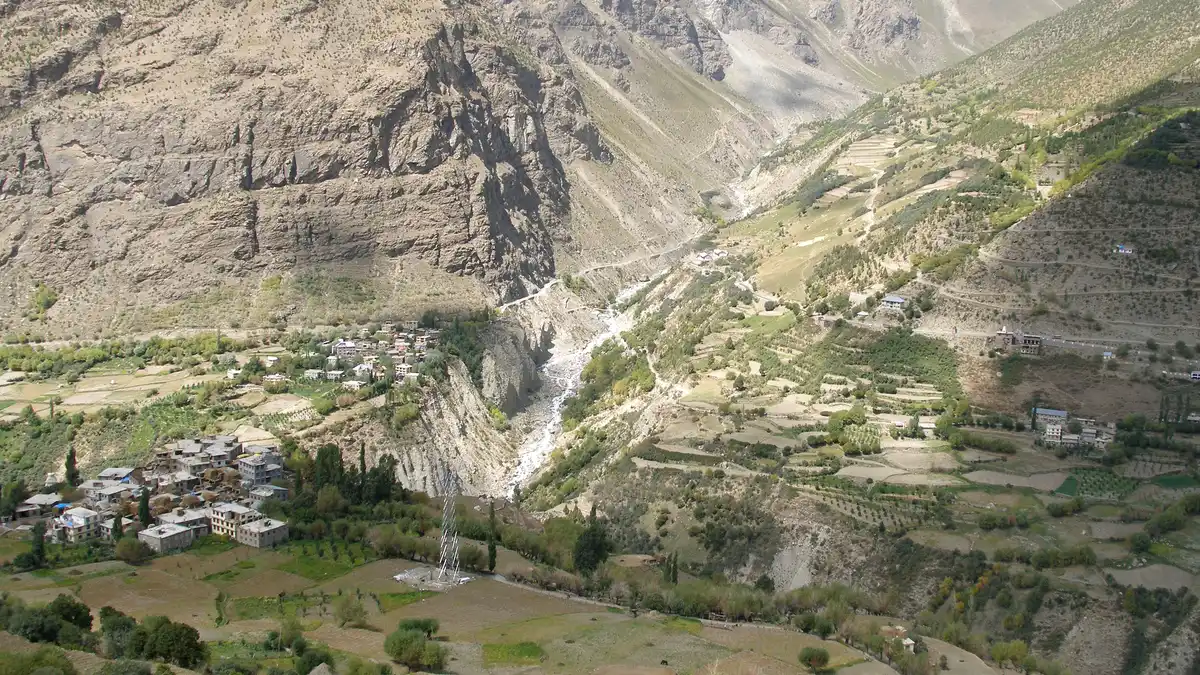
Where to break the journey
Where you sleep matters more than where you stop for lunch, because it affects how well you acclimatise.
| Halt | Approx. altitude | Why stop here |
|---|---|---|
| Keylong | ~3,100 m | Town with hotels, ATM and fuel nearby at Tandi |
| Jispa | ~3,200 m | Riverside camps and hotels; good first night |
| Sarchu | ~4,300 m | Seasonal tent camps; high but common halt |
| Pang | ~4,600 m | Basic tents; best avoided as an overnight halt |
A night in Jispa or Keylong followed by a long day to Leh is the gentlest two-day plan. If you want a day-wise plan with sightseeing in Leh, see our Manali Leh itinerary.
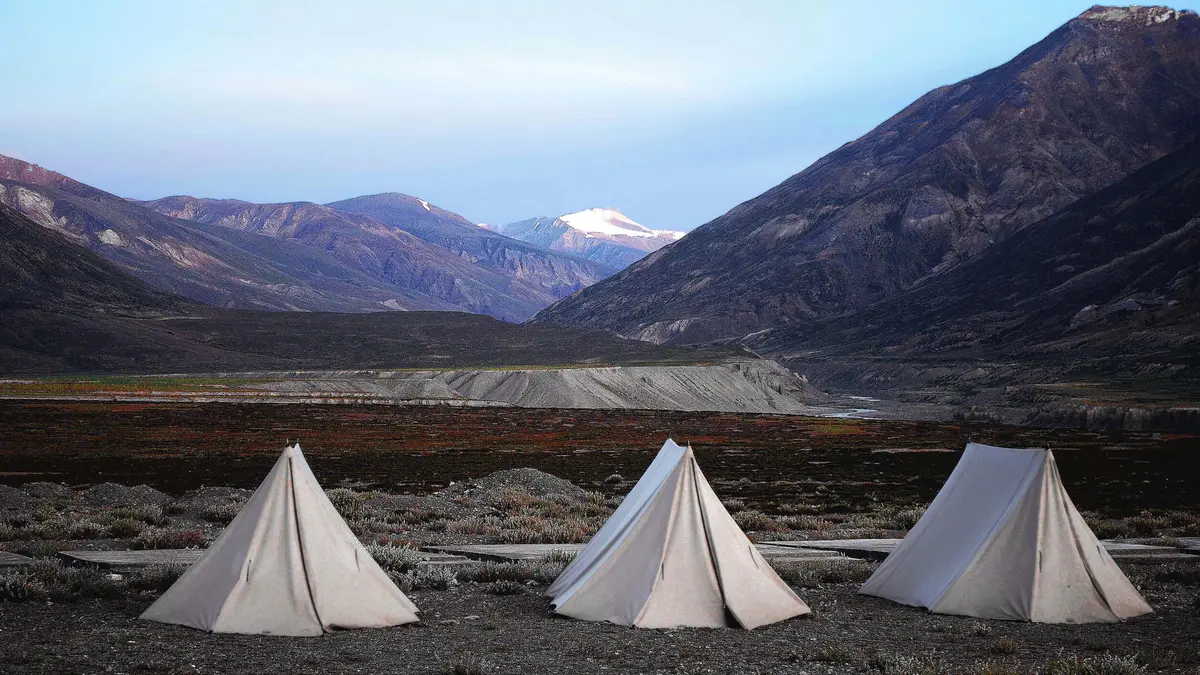
What the road is like
From Manali, the road climbs to the Atal Tunnel and emerges into Lahaul, where green valleys continue past Sissu, Keylong and Jispa. After Darcha the landscape turns stark. Baralacha La brings snow walls early in the season; the Gata Loops climb in a series of hairpins; the More Plains are a long, flat high-altitude plateau; and Tanglang La is the last big pass before the descent to Upshi and the Indus valley. Stretches of smooth new tarmac alternate with broken patches, so check current status before you set off.
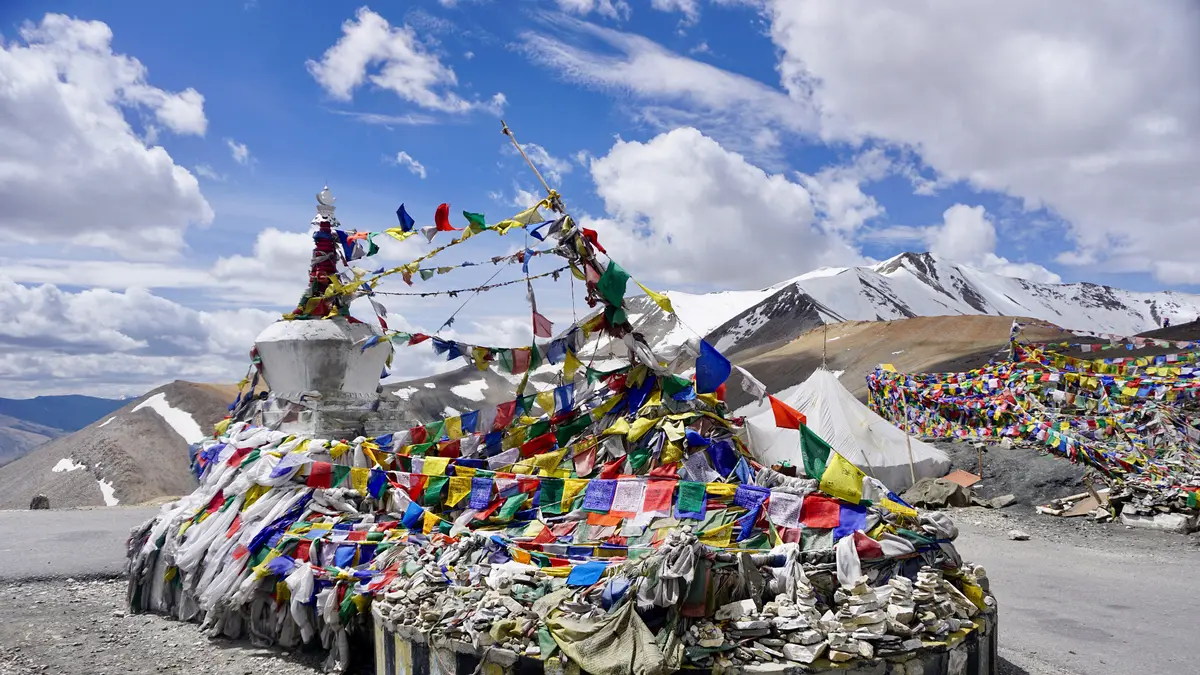
Sample two-day and three-day plans
Two days (standard)
- Day 1: Manali to Jispa through the Atal Tunnel, with stops at Sissu waterfall and Keylong. A short, gentle day.
- Day 2: Jispa to Leh over Baralacha La, the Gata Loops, the More Plains and Tanglang La. A long day, so leave at dawn.
Three days (easier on the body)
- Day 1: Manali to Jispa or Keylong.
- Day 2: Jispa to Sarchu, with time at Deepak Tal and Suraj Tal on the way.
- Day 3: Sarchu to Leh, arriving by afternoon.
Sarchu is high, so the three-day plan only helps if everyone feels well there. If anyone struggles with the altitude at Sarchu, it is better to continue to Leh, which is lower, than to stay awake all night in a tent.
How the Manali to Leh travel guide changes by season
In the first weeks after opening, expect snow walls on Baralacha La, cold mornings, slushy patches and more water on the road; carry heavier jackets and leave extra time. In peak summer the route is busiest, with more traffic, more camps open and more chance of rain on the Lahaul side. In September and early October the crowds thin out, skies are usually clear and many travellers find it the most pleasant time, though some camps begin to close and nights at Sarchu can drop below freezing. Whatever month you choose, keep one buffer day in your plan for weather or road closures.
Documents, money and connectivity
- ID: carry original photo ID plus photocopies; you will need them for protected-area permits later.
- Vehicle papers: registration, insurance, pollution certificate and licence if you drive or ride.
- Cash: withdraw enough in Manali or Keylong for at least two days.
- Network: expect long gaps between Jispa and Upshi; postpaid works better than out-of-state prepaid in Ladakh.
- Offline maps: download them in Manali.
Best time to go and health
June brings snow walls and cold nights, July and August can bring rain and landslides on the Lahaul side, and September usually offers clear skies and lighter traffic. The road normally closes with the first heavy snow, around October.
The biggest health risk is acute mountain sickness. Spend at least one night in Manali, sleep as low as possible, drink plenty of water, avoid alcohol and do not rush. Headache, nausea, dizziness or breathlessness at rest are reasons to stop and descend. Speak to your doctor before travel if you have heart, lung or blood pressure conditions.
Tips and mistakes to avoid
Most of the advice in any Manali to Leh travel guide comes down to patience: give yourself time, listen to your body and expect the unexpected.
- Do not attempt Manali to Leh non-stop on your first trip if you can avoid it.
- Start early each day; afternoons bring heavier water crossings.
- Keep warm layers in the car, not buried in the boot.
- Carry snacks, water and basic medicines.
- Plan a rest day in Leh before any high excursion.
Coming from Delhi? Our Delhi to Leh travel guide covers the full journey from the plains.
Why plan with Tripsdoc
We plan Manali to Leh journeys with sensible halts, verified stays and local vehicles in Ladakh, so you can focus on the views. Our Manali Leh Manali package page shows a current round-trip option, and we can tailor one-way trips too.
Conclusion
With the right transport, a night or two on the way and a slow first day in Leh, this Manali to Leh travel guide should help you enjoy one of India's great journeys. If you want to understand the road surface stretch by stretch, read our Manali Leh road condition guide. Explore our Leh Ladakh tour packages, or contact Tripsdoc and we will help you plan your trip.
Photo credits (Wikimedia Commons): Vyacheslav Argenberg (CC BY 4.0), Plan4shoot (CC BY-SA 4.0), Lianguanlun (CC BY 4.0).
Frequently Asked Questions
Himachal Road Transport Corporation has run a seasonal Manali to Leh service in summer, usually with an overnight halt on the way. It is the cheapest option but also the least flexible, with fixed stops and long hours. Timetables and fares change every season, so check at the Manali bus stand or on the official booking site before planning around it.
Driving time is roughly 12 to 16 hours depending on road condition, traffic and stops. Most travellers split it over two days with a night at Jispa, Sarchu or Keylong, and many prefer three days for better acclimatisation. Delays at water crossings, roadworks or snow in early season can easily add several hours.
Yes, Manali taxi operators run one-way trips to Leh, but you usually pay for the empty return, which raises the price. Himachal-registered taxis generally cannot do local sightseeing inside Ladakh, so you will need a Leh-registered vehicle for Nubra, Pangong and other trips. Factor that change of vehicle into your plan.
Indian citizens currently do not need an Inner Line Permit for the highway itself. A Rohtang permit applies only if you drive over the old Rohtang Pass road, not through the Atal Tunnel. Permits are needed for protected areas such as Nubra, Pangong, Tso Moriri and Hanle, which you arrange in Leh or online.
Expect coverage around Manali, Sissu, Keylong and Jispa, then long stretches with no signal until you approach Upshi and Leh. In Ladakh, postpaid connections from major operators work better than prepaid SIMs from other states. Download offline maps, tell family your plan in advance and carry a written list of important phone numbers.
Manali and Keylong have ATMs, and Leh has several, but there is nothing reliable between Keylong and Leh. Camps at Sarchu and Pang mostly prefer cash, and digital payments depend on network that may not exist. Carry enough cash for two or three days of food, stay and emergencies when you leave Keylong.
Many senior travellers do it comfortably in a private vehicle when the trip is spread over three days and they consult a doctor first. The bigger concern is sleeping at high camps such as Sarchu and Pang. Flying into Leh and leaving by road towards Manali, after acclimatising, is often an easier way for older travellers to enjoy the highway.
Dhabas and tent camps serve simple, filling food such as dal, rice, rotis, rajma, Maggi noodles, omelettes and tea. Hot, freshly cooked food is the safest choice. Avoid heavy, oily meals and alcohol at altitude. Carry dry fruits, energy bars, biscuits and plenty of water for stretches where nothing is open.
Yes, plenty of travellers self-drive in hatchbacks, sedans and SUVs. Higher ground clearance helps on broken patches and water crossings. Service the car before leaving, carry a spare tyre, tow rope and extra fuel, and drive only in daylight. Rules for outside private vehicles in Ladakh can change, so check local advisories before you go.
Rest. Even if you feel fine, take the first day slowly with short walks, light meals and plenty of water. Avoid going straight to Khardung La or Pangong. Use the day to arrange permits, a local taxi and supplies. A slow first day helps your body adjust and makes the rest of the trip far more enjoyable.